
 See My Latest Article on HelloNation

What Is Excavation in Construction?
Excavation is the process of removing earth, rock, or other materials from a site to create a cavity or hole. In construction, this usually means digging the ground to prepare for building foundations, utility installations, landscaping, or roadways. Skilled operators use machinery like excavators, backhoes, or bulldozers to move soil and rocks according to project plans. The depth and area of excavation can range from small trenches for irrigation lines to large pits for basements or ponds.
Locally, soil types, moisture, and ground conditions in the region often influence excavation methods. Residents of Athol, ID, are likely to encounter glacial soils, gravel, or clay layers—all factors that impact how digging is approached and how materials are managed on-site.
Why Is Excavation Necessary Before Construction?
Excavation is essential because it creates a stable, level area for construction. Buildings, roads, and other infrastructure depend on solid ground with the right drainage and load-bearing properties. Removing loose, unstable, or unsuitable material helps prevent sinking, shifting, or flooding later.
In Athol and similar areas with variable terrain and weather, proper excavation also helps manage water runoff and avoid erosion. For example, foundations dug below the frost line help reduce frost heave damage in winter. Clearing brush, stumps, and debris during excavation also provides a safer, cleaner job site and protects underground utility lines.
What Does the Excavation Process Involve?
The basic steps in excavation include:
- Surveying and marking out the site based on building plans
- Clearing vegetation and debris
- Digging, trenching, or grading to required depths and shapes
- Checking soil conditions and removing unsuitable materials
- Managing excavated soil—either hauling it away or stockpiling it for later use
- Compacting the ground to ensure adequate support for structures
During every phase, monitoring for buried hazards like utility lines is essential. In rural or wooded areas around Athol, unexpected obstacles like large roots or boulders can also slow progress.
Are There Local Regulations or Permits for Excavation?
Most construction projects involving excavation require permits, even for residential work. Rules help protect public utilities, groundwater, and neighboring properties. Permits specify what can be dug, where, and how deep. They may also dictate erosion control or soil stabilization measures. In the city, compliance helps avoid fines and dangerous incidents, especially if digging near septic systems or public rights-of-way.
Before any digging, calling 811 to locate underground utilities is a standard step. This protects against accidental damage to water, gas, or electrical lines and is required by law in most areas.
What Are Common Excavation Challenges in Rural Communities?
Excavation in less developed parts of Athol can pose unique challenges:
- Mixed soil conditions—gravel, clay, sand, and hardpan may all occur in one plot
- Tree roots and stumps from forested land
- Wet ground or high water tables from local springs or seasonal runoff
- Unmarked septic systems, farm drains, or utility corridors
- Wildlife burrows or underground habitat areas
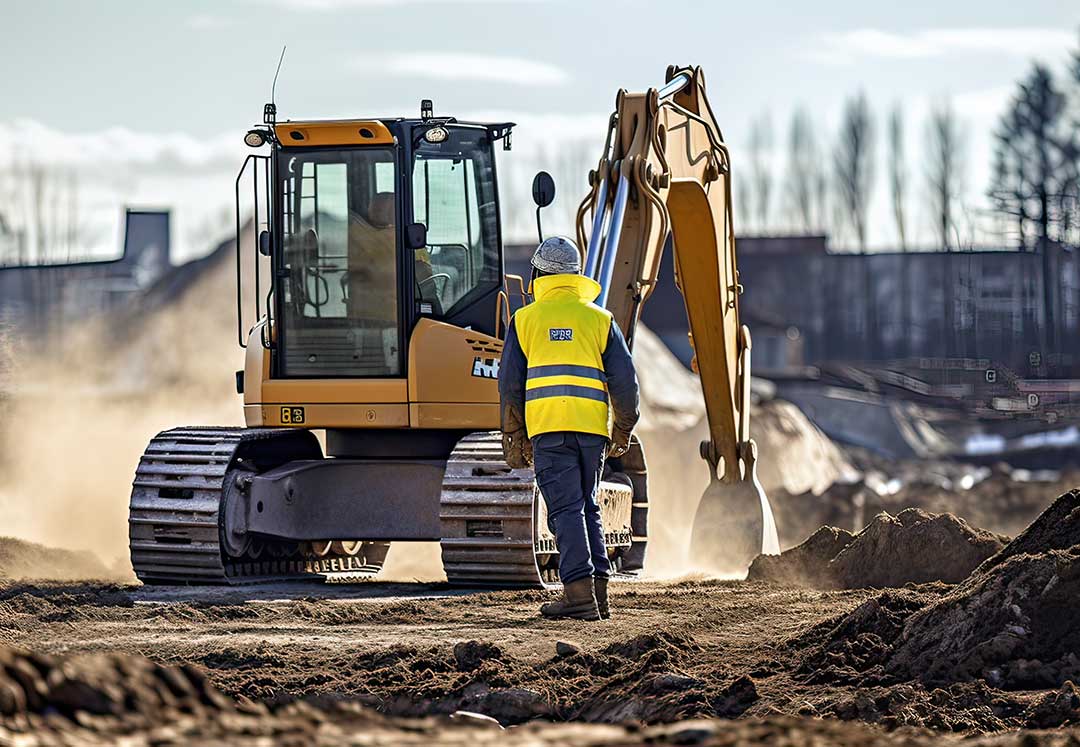
Proper planning, careful soil testing, and awareness of local conditions help address these issues and reduce costly mistakes.
How Does Excavation Impact Drainage and Erosion?
Digging changes how surface water moves and collects. Without planning, excavation may cause water to pool near buildings or create muddy runoff onto roads and neighboring lots. In the area’s climate—with wet springs and snowmelt—managing water is especially important.
Techniques such as grading for slope, adding drainage swales, or installing culverts are often used alongside excavation to keep water away from foundations and prevent erosion. Homeowners sometimes overlook the need for permanent solutions, expecting the ground to settle evenly, but uneven fill or insufficient compaction can lead to long-term drainage issues.
When Might Residents in Athol, ID Need Excavation?
Home projects that often require excavation include:
- Constructing new homes, garages, or sheds with proper foundations
- Installing septic tanks or new well lines
- Building driveways, sidewalks, or patios on level ground
- Digging garden ponds, irrigation trenches, or drainage improvements
- Replacing older utility lines or addressing water problems in yards
While some smaller jobs may be tackled by property owners, deeper or complex excavations often involve safety rules and equipment that require expertise—especially if there’s any risk of ground collapse, utility contact, or working near neighbors’ property.
What are Common Misconceptions About Excavation?
Some residents assume that excavation just means digging a hole, or that any flat land is suitable for building without much effort. In reality, local ground can include unexpected hardpan, large boulders, or soft spots that must be corrected. Another misconception is that rain or groundwater isn’t a big concern in the surrounding region. However, even a few inches of improperly managed water can cause long-term structural or landscape issues.
Careful excavation supports not only new construction but also long-term property health and safety.