

 See My Latest Article on HelloNation
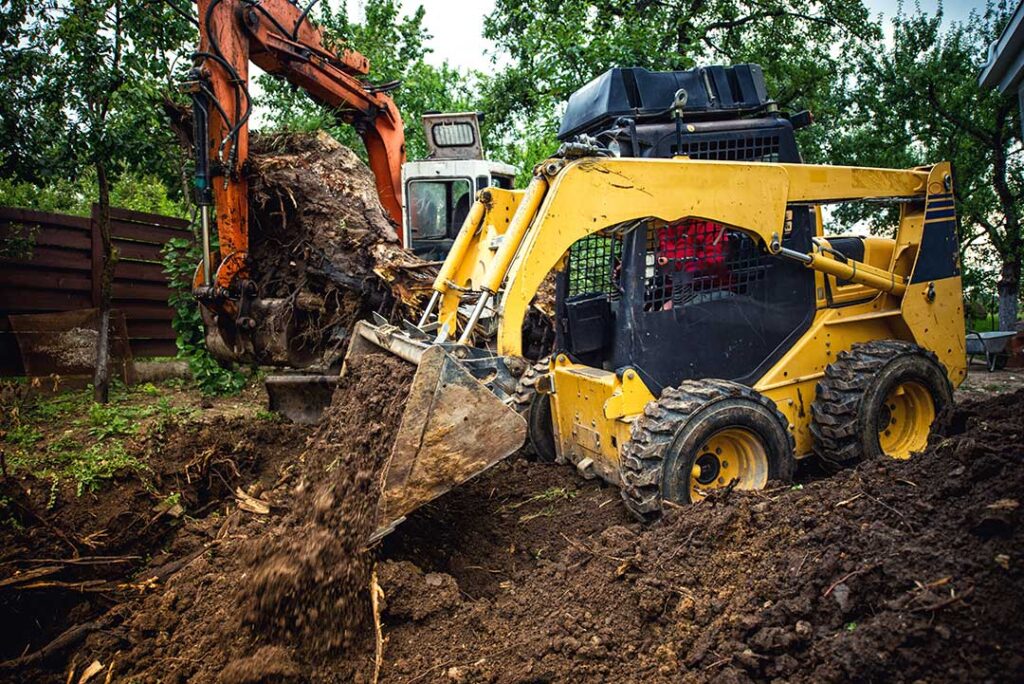
Why Is Excavation Safety Essential for Area Households?
Even small digging projects can pose real hazards around properties in Athol, ID. Residents may be surprised at how quickly a routine task—such as adding a fence post, trenching for landscape lighting, or digging for a garden bed—can become dangerous without some planning. The primary safety risks include hitting underground utilities, unstable soil conditions, cave-ins, and improper use of equipment. Area homes often have a mix of utility lines, soft soil in some seasons, and varying lot layouts, making extra caution necessary.
What Should Residents Check Before Starting Any Digging?
Before using a shovel or renting equipment, every homeowner should know what lies beneath the surface. Even if you’ve dug in the same area before, utility lines may be shallower or run in unexpected places.
- Always contact the national “811” service to have underground utility lines clearly marked—this is required by law and free of charge.
- Skipping this step or guessing is a leading cause of injuries, property damage, and utility outages for families in the city and surrounding rural areas.
- Review property records or as-builts to see if there are known sewer lines, irrigation plumbing, or drainage systems close to your planned dig.
- Watch for visible clues on the ground—utility boxes, water meters, pole markers, and vent pipes often indicate active infrastructure where surprises could lurk just below the surface.
How Does Local Soil and Weather Affect Excavation Safety?
Soil in the area can vary from rocky glacial remnants to soft volcanic ash, each presenting different hazards. Seasonal changes, especially the spring thaw and fall rains, can make ground unstable or conceal ice layers beneath the surface. Athol’s freeze-thaw cycles may shift the soil, raising buried lines closer or leaving voids.
- Test the soil with a hand auger or shovel before any deeper digging to check for signs of excess moisture, ice, or unusually soft layers.
- Avoid digging after extended rainfall, during spring melt, or when the ground feels spongy—these are peak times for unexpected soil collapse.
- If using power equipment, watch for topsoil slumping, unexpected sinkholes, or cracking near trenches, which signals a real risk of cave-in.
Do Small Projects Really Require Protection From Cave-Ins?
Many residents underestimate how quickly loose soil can collapse into an unshored trench. Even a hole only three feet deep and a couple of feet wide can trap or injure a person, especially children or pets.
- Keep all bystanders and animals away from open excavations.
- Never leave holes uncovered, even briefly, to avoid accidental falls overnight or during breaks.
- For projects deeper than your knees, avoid standing inside the cut unless the walls are properly sloped or braced according to safety guidelines.
- Sloping sides back (step-cutting) is the safest approach for local gardens and landscaping, especially where soil is loose after rain or irrigation.
What Common Tools and Equipment Present Hazards?
Power augers, mini-excavators, and even basic shovels can lead to injuries if used incorrectly or without awareness of surroundings.
- Read all operating instructions carefully before using any rental tools.
- Wear eye, hand, and foot protection; splintered rocks and sharp debris are common.
- Keep a safe distance from moving buckets or digging arms; loose clothing or jewelry can become entangled.
- Always work with a partner when using large equipment so someone can call for help if needed.
Which Local Regulations and Permits Apply to Residential Excavation?
There are specific codes and best practices the city expects homeowners to follow, even for minor earth-moving activities. For example:
- Utility marking via 811 is always mandatory.
- Some types of projects near roadways, public utility easements, or wetlands may require permits or special notice to the appropriate city department.
- It’s a common misconception that privately-owned yard areas are exempt from checking for hidden lines—utility easements exist in front, side, and even rear yards in most neighborhoods.
- If digging could affect shared infrastructure (such as drainage ditches or irrigation canals), residents are usually expected to coordinate with the relevant oversight agency.

If in doubt, city websites or the local building/planning office provides current requirements for area households.
What Missteps Cause Most Local Excavation Accidents?
Most injuries and near-misses during residential digging projects can be traced to a few frequent errors:
- Rushing into a project without marking utilities
- Ignoring unstable or saturated soil conditions after storms or irrigation
- Underestimating the weight of soil—dirt is heavier than many realize, with even a 2-foot cube weighing hundreds of pounds.
- Failing to protect small or open trenches from collapse
- Using unfamiliar power tools without proper PPE (personal protective equipment) or supervision
Reviewing safety steps may feel unnecessary for routine work, but they prevent lasting consequences and neighborhood disruptions.
How Can Households Safeguard Pets, Children, and Neighbors During Digging?
Residential yards often have visitors, children, and roaming animals who may wander into dangerous areas.
- Use visible barriers, cones, or rope to define the work area clearly.
- Never leave freshly dug pits or trenches unattended, even if work is paused for lunch or overnight.
- Inform neighbors if your project creates a risk near property lines or shared spaces to prevent accidents and confusion.
- Replace soil, compact gently, and reseed turf after closing any holes to reduce trip hazards and restore yard appearance.
Are There Situations Where Professional Help Becomes Necessary?
While many projects are reasonable to tackle as DIY tasks, some scenarios should always involve expert supervision:
- If you uncover unidentified buried pipes, tanks, or cables
- If the excavation must go deeper than four feet, or is adjacent to a structure, fence, or driveway likely to be destabilized
- If the soil repeatedly collapses, contains standing water, or emits odd odors (a possible sign of sewage or gas)
Public agencies may require formal assessment or engineered solutions for these cases to prevent severe injury and liability.
Careful planning, awareness of surroundings, and respect for natural hazards are essential for safe excavation at home. Following these guidelines helps residents minimize risks and protect both their property and the larger community.