
 See My Latest Article on HelloNation
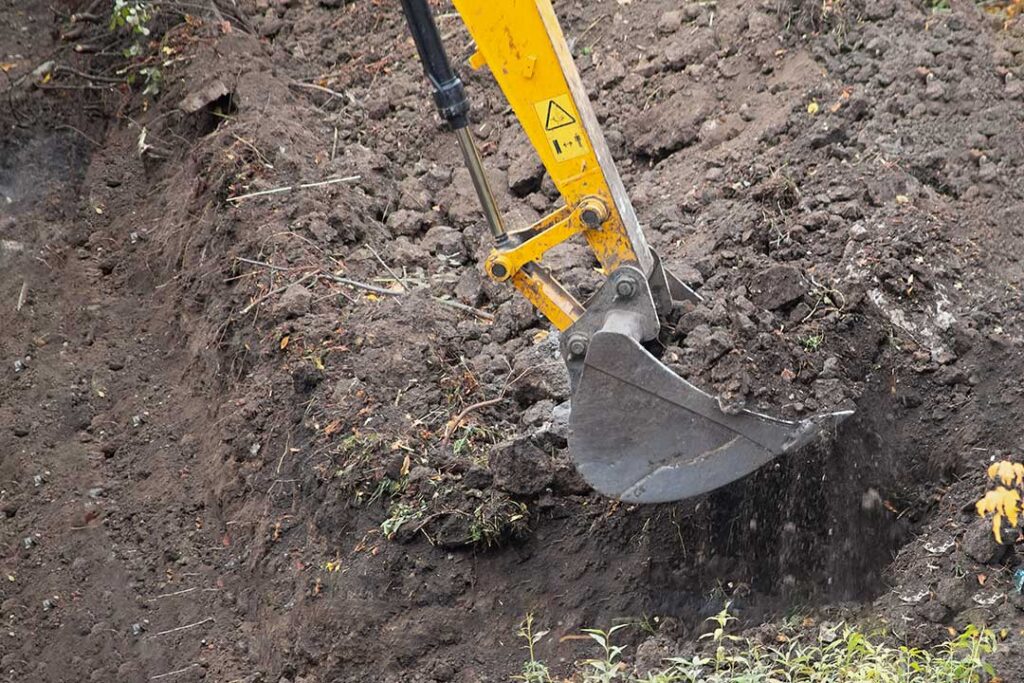
What Does Excavation Mean for Athol, ID Residents?
Excavation is the process of moving earth, rock, or other materials from a site to shape the land for projects such as foundations, utility installations, landscaping, and roadworks. For the Athol area, where residents encounter varied soils, wooded lots, seasonal weather changes, and rural or semi-rural housing, understanding the different excavation methods helps plan projects more effectively and anticipate possible challenges.
What Are the Major Types of Excavation Used Locally?
There are several types of excavation, each suited to particular goals and site conditions. Common types relevant to local properties and infrastructure include:
- Topsoil Excavation: This involves removing the upper layer of soil, which typically contains organic material and roots. Topsoil is often set aside for landscaping or to prepare a stable base for further work.
- Earth Excavation: Digging below the topsoil to reach firmer soils, often necessary for foundations, driveways, or septic systems. This type is routine for new builds and some additions in the city.
- Rock Excavation: Encountered in areas where the soil layer is thin and bedrock lies close to the surface, which can occur around Athol’s sloped or wooded properties. Breaking and removing rock generally requires specialized equipment and extra planning.
- Muck Excavation: Refers to removing material that combines soil and water, often found near marshy spots or after heavy rain. Managing water or mud is crucial to prevent shifting or instability.
How Are These Types Used in Common Athol Projects?
- Driveways and Foundations: Most new driveways or home foundations need earth or topsoil excavation. Earth excavation helps create a stable, compacted base.
- Land Clearing and Landscaping: Before planting new lawns or gardens, topsoil excavation may be necessary to remove debris or create smooth terrain.
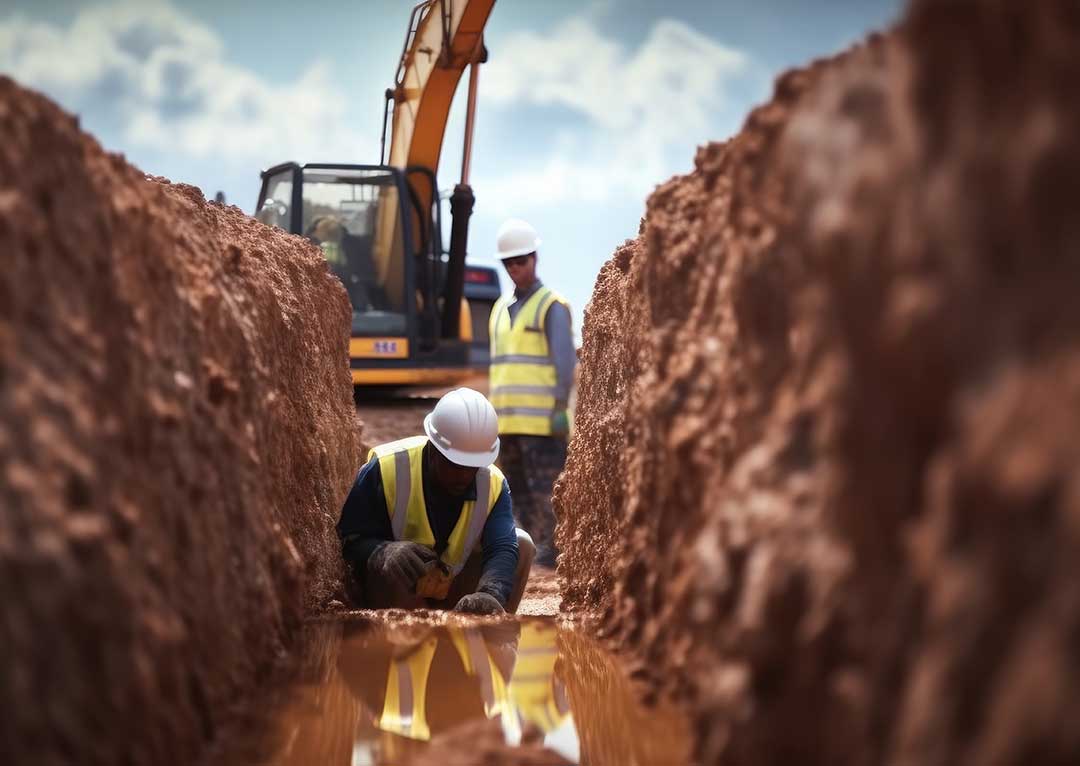
- Trenching for Utilities: Projects like septic installation, water lines, or electrical conduits typically use trench excavation—a form of earth digging that creates narrow, deep cuts in the ground.
What Should Local Residents Watch Out for Before Digging?
Before starting any excavation project in Athol, consider these practical factors:
- Utility Lines: Always check for buried water, gas, electrical, and communications lines. State and local regulations often require notification or marking services before digging.
- Soil Stability: The freeze/thaw cycle in this region can affect soil stability. Excavated areas may shift if not reinforced or compacted properly.
- Drainage Patterns: Athol’s climate brings wet seasons and snowmelt. Plan excavation so that water runoff does not cause erosion, pooling, or damage to structures.
How Does Weather Affect Excavation?
Weather plays a key role in timing and technique:
- Winter Ground Freezing: Frozen soils are very hard to dig and may require thawing or waiting for milder temperatures.
- Spring and Early Summer: Snowmelt and rain can saturate soils, increasing the risk of muck excavation conditions or cave-ins in trenches.
- Dry Summers: Easier digging, but dust control and soil compaction may become more important, especially for earthwork.
Are There Regulations or Permits Needed?
Yes. Excavation, especially when it affects public right-of-ways, erosion control, or involves certain depths, may require permits or inspections under county or state guidelines. Always check with local government offices about:
- Minimum setback requirements
- Erosion and sediment control standards
- Restrictions related to wetlands, floodplains, or protected areas
What Are Common Misconceptions About Excavation?
- “All soils are the same.” In reality, soil properties can change dramatically over short distances—clay, sand, gravel, and rock require different techniques.
- “Excavation is only about digging holes.” The process includes evaluation, planning for drainage, controlling erosion, safe slope management, and responsible backfilling.
- “Small projects don’t need preparation.” Even minor digging can impact utility lines, property boundaries, and neighboring yards if not planned.
What Precautions Support Safe Digging?
For most household or small-scale projects:
- Mark the dig area clearly.
- Contact local utility notification services to confirm locations of underground lines.
- Inspect soil for stability after rainfall or thaw.
- Use shoring or sloping for deeper trenches, especially over four feet deep.
- Keep equipment clear of overhead lines on larger sites.
Projects involving major earth movement, heavy machinery, or where deep excavation is required will often be subject to safety standards and legal requirements that must be followed to avoid injuries or penalties.
What Are Signs of Excavation-Related Problems?
After excavation, unusual standing water, rapid soil settlement, or visible cracks nearby can signal drainage or compaction problems. Addressing these quickly helps prevent larger structural or landscaping issues.